Our programmes
Three programmes, one system
National, Cambridge international, and DSD German — from Grade 4, all students study Cambridge and the German Language Programme simultaneously.
- Home
- Programmes
International standard
Cambridge Programme
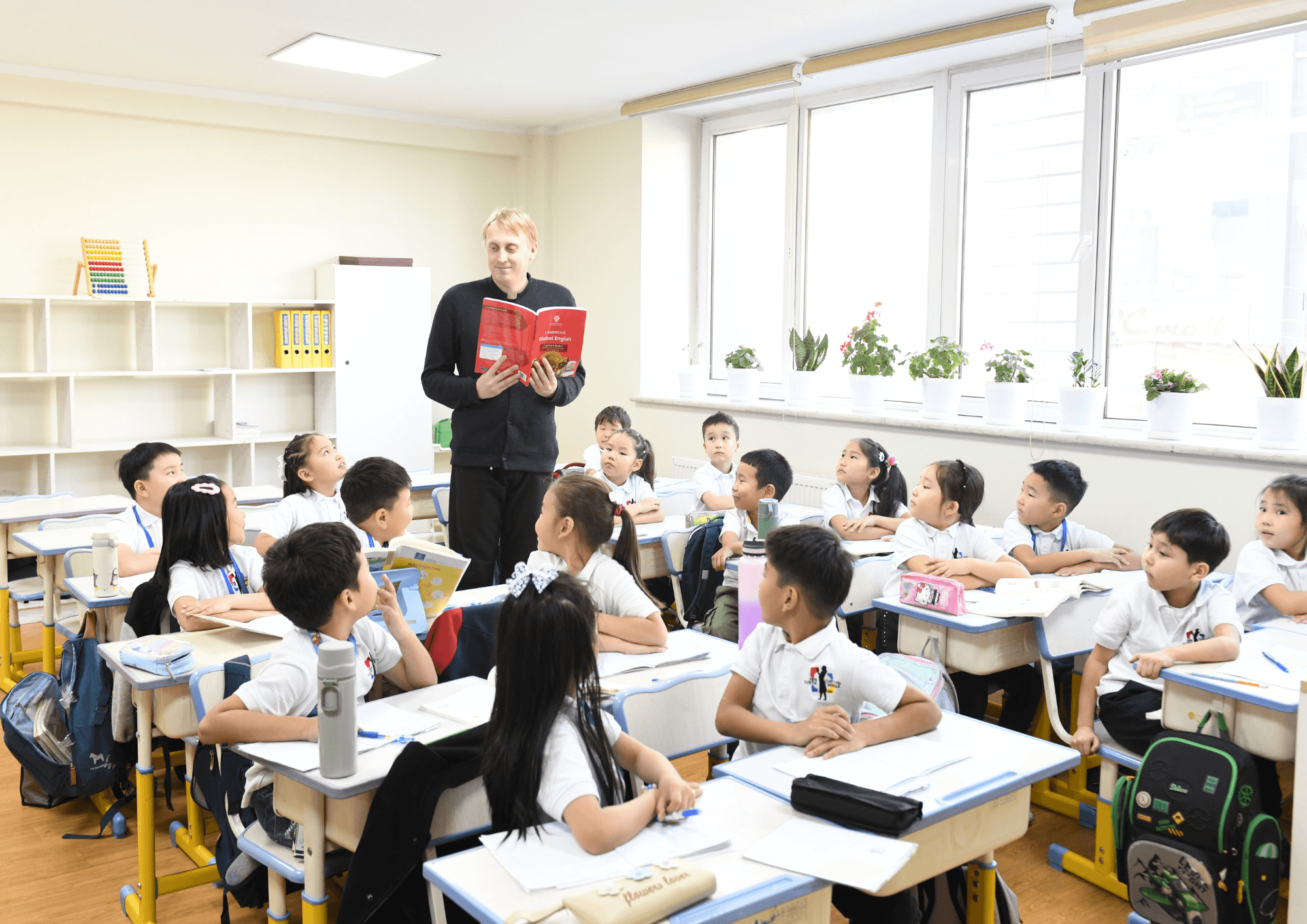
Since 2020, Goethe School has implemented the official Cambridge International Education programme alongside Mongolia's national curriculum — successfully combining national character with international quality.
The Cambridge Programme is a globally recognised standard focused on systematically developing students' critical thinking, research-based learning, academic writing, and problem-solving skills.
The school holds official examination rights for Checkpoint, IGCSE, and AS/A Level, and all students are required to sit Checkpoint and IGCSE examinations. As a result, students earn Cambridge credentials that allow them to apply directly to international universities.
Over 90% of teaching staff have completed Cambridge training and professional development programmes, and more than 80% of students consistently pass Cambridge Checkpoint and IGCSE examinations.
90%+
Teachers hold Cambridge certification
80%+
Pass rate in Checkpoint & IGCSE exams
Learner attributes
Subjects
- English
- Mathematics
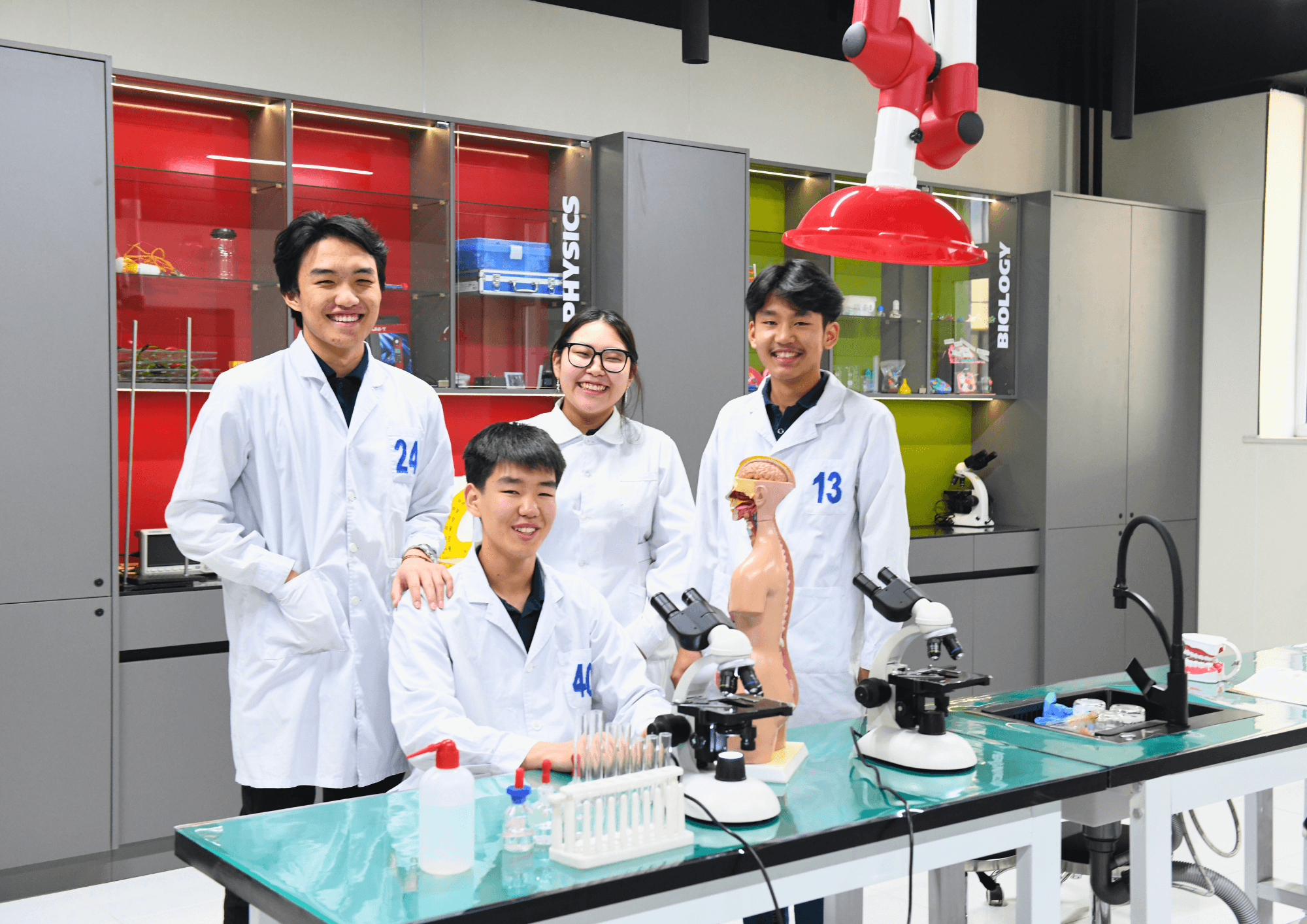
- Biology
- Chemistry
- Physics
- Art & Design
- ICT
- 1
Cambridge Primary
6 years / ages 5–11Students study Mathematics, English, Science, and ICT alongside the national curriculum, developing their knowledge, skills, and competencies.
- 2
Cambridge Lower Secondary (Checkpoint)
3 years / ages 11–14Students' progress in Mathematics, English, and Science is assessed and diagnosed to identify areas of focus and skills to develop further before entering the upper secondary programme.
- 3
Cambridge Upper Secondary (IGCSE)
2 years / ages 14–16Students develop the ability to express, explain, and substantiate their own ideas and interests.
- 4
Cambridge Advanced (AS, A Level)
2 years / ages 16–19Students develop the ability to comprehend evidence-based academic texts, write essays, analyse graphical information, conduct research on current social issues, present, and debate.
German language examination centre
German & DSD
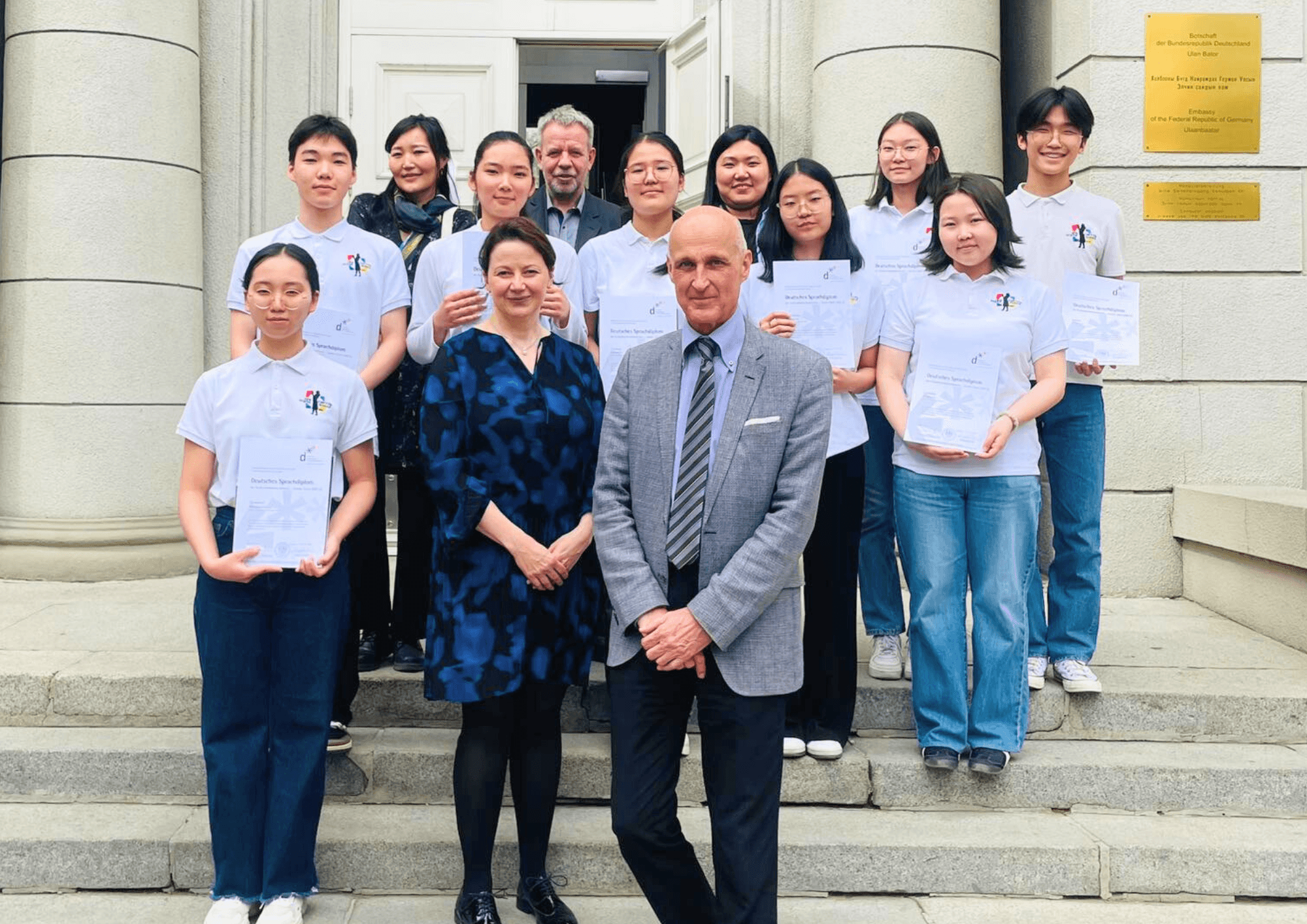
Since 2005, by resolution of the KMK (Conference of German State Ministers of Education), Goethe School has served as an official DSD II examination centre. The DSD Level 1 and Level 2 examinations each consist of four components — listening comprehension, reading comprehension, oral, and written — and are open to students who have completed approximately 1,200 hours of German language instruction.
Each year, 50–70% of graduates pass the German university entrance examination and go on to study in Germany, Switzerland, Austria, and other European countries, with 1–5 graduates selected for DAAD scholarships annually. This is an exceptionally high rate compared with other schools offering German Language Programmes worldwide.
50–70%
Annual German university entrance exam pass rate
1–5
Selected for DAAD scholarships annually
Key advantage
Graduates who earn both DSD I and DSD II diplomas can enrol in German, Austrian, and Swiss universities without a language entrance exam, and may work while studying.
- KMK
- — Conference of German State Ministers of Education — the authority that grants examination rights
- ZfA
- — Federal Office for German Schools Abroad — partner organisation
- DAAD
- — German Academic Exchange Service — graduates apply for scholarships annually
- A1
Primary grades (IV–V)
A1 levelStudents can read and understand familiar topics, hold brief conversations, and write personal letters.
- A2
Middle grades (VI–VIII)
A2 levelStudents can read and understand everyday topics, hold conversations, and write reply letters.
- B1
Middle/upper grades (VIII–XI) — DSD I
B1 / DSD IStudents can express, justify, and explain their own interests and ideas.
- C1
Upper grades — DSD II
B2 / C1 / DSD IIStudents can read and understand evidence-based academic texts, analyse graphs and data, write essays on current social issues, present, and debate.
Core curriculum
National Curriculum
Cambridge and German Language programmes are layered on top of Mongolia's solid national curriculum foundation. From Grade 4, all students begin studying German and the Cambridge Programme simultaneously.
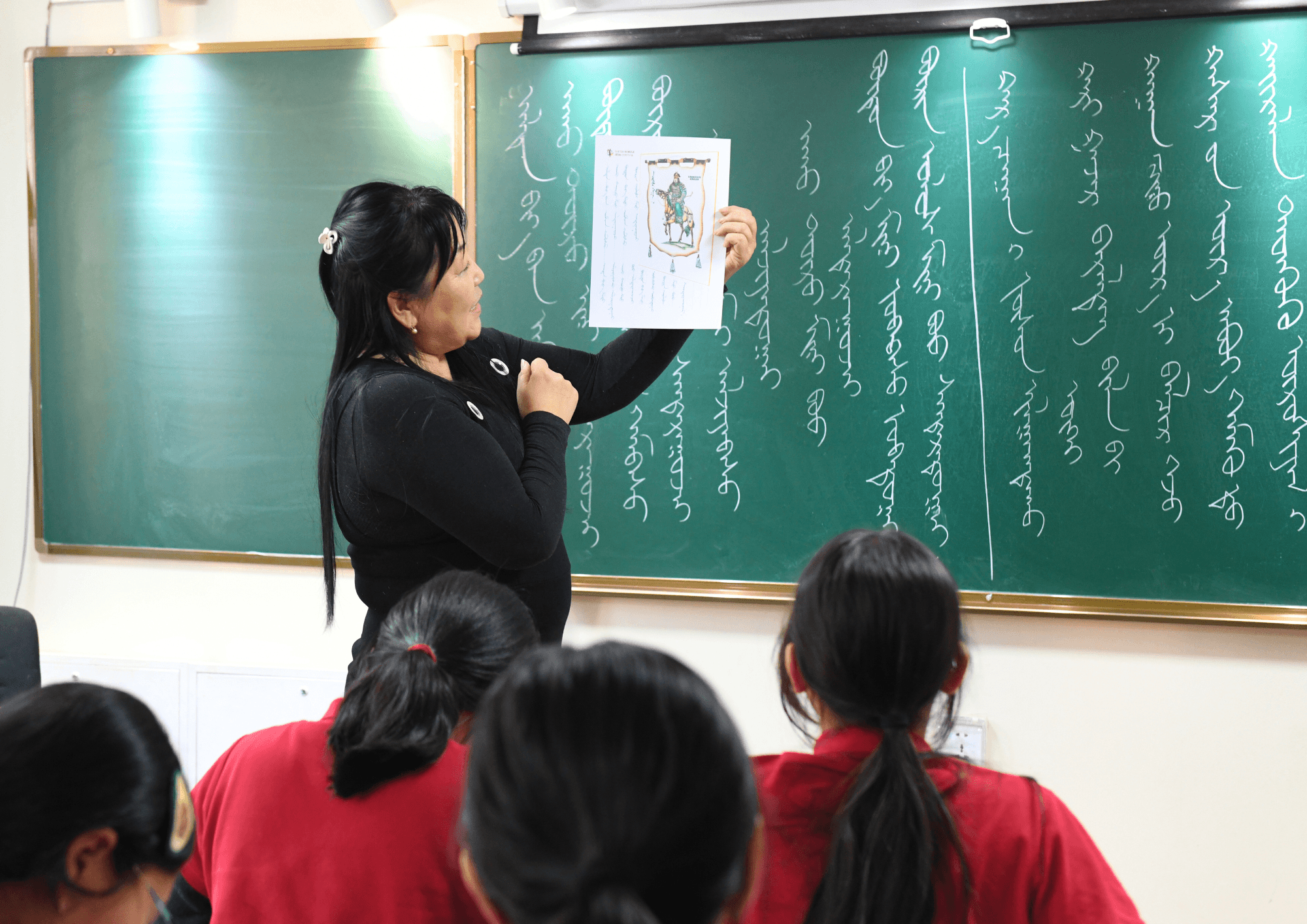
Common subjects
- Preparatory Programme
- Mongolian Language
- Civic and Ethical Education
- Mathematics
- Human & Environment
- Visual Arts
- Music
- STEAM / Robotics
- Dance
- IQ Learning
Language track comparison
| Subject | 🇬🇧 English track | 🇩🇪 German track |
|---|---|---|
| Language | English | German |
| Mathematics (specialist) | Cambridge Mathematics (in English) | Mathematics (in German) |
| Science | Cambridge Science | Science (in German) |
* From Grade 4, all students study German and the Cambridge Programme simultaneously.
Extracurricular activities
Clubs & development programmes
Outside class, students participate in a wide range of clubs to develop their interests and talents. 22 clubs covering creative, science, sports, and arts disciplines.
- STEAM (advanced)
- Piano
- Choir
- Morin khuur
- Guitar
- Goethe Theatre (English)
- Goethe Theatre (German)
- Scouts
- Junior Red Cross
- Science Club
- Science Discussion Club
- English Debate
- Basketball
- Volleyball
- Technical Design
- Robotics & Electronics
- Chess
- Mathematics Olympiad
- Fun Physics
- Fun Biology
- Calligraphy
- Drawing